Code Vein II - Review
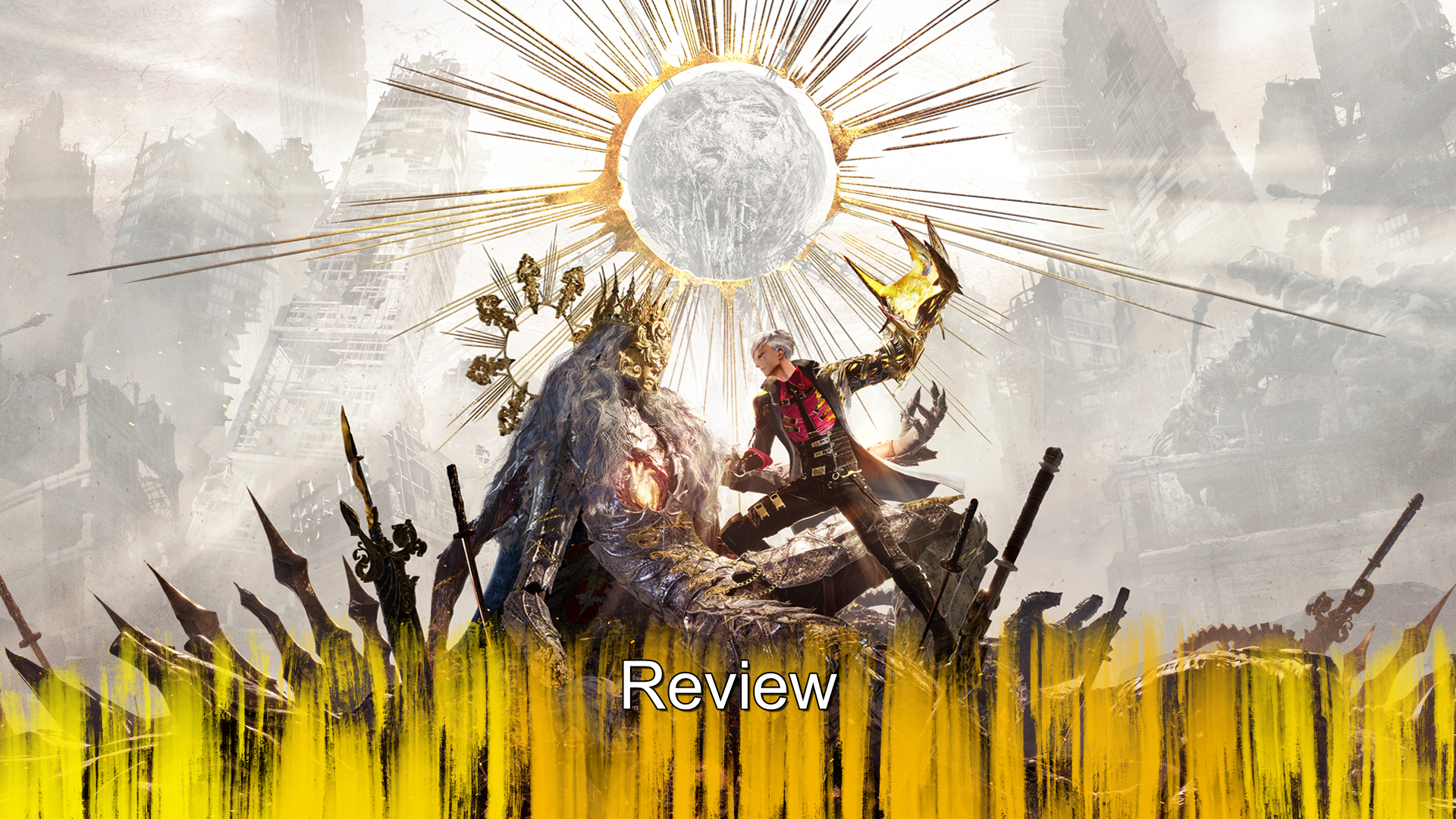
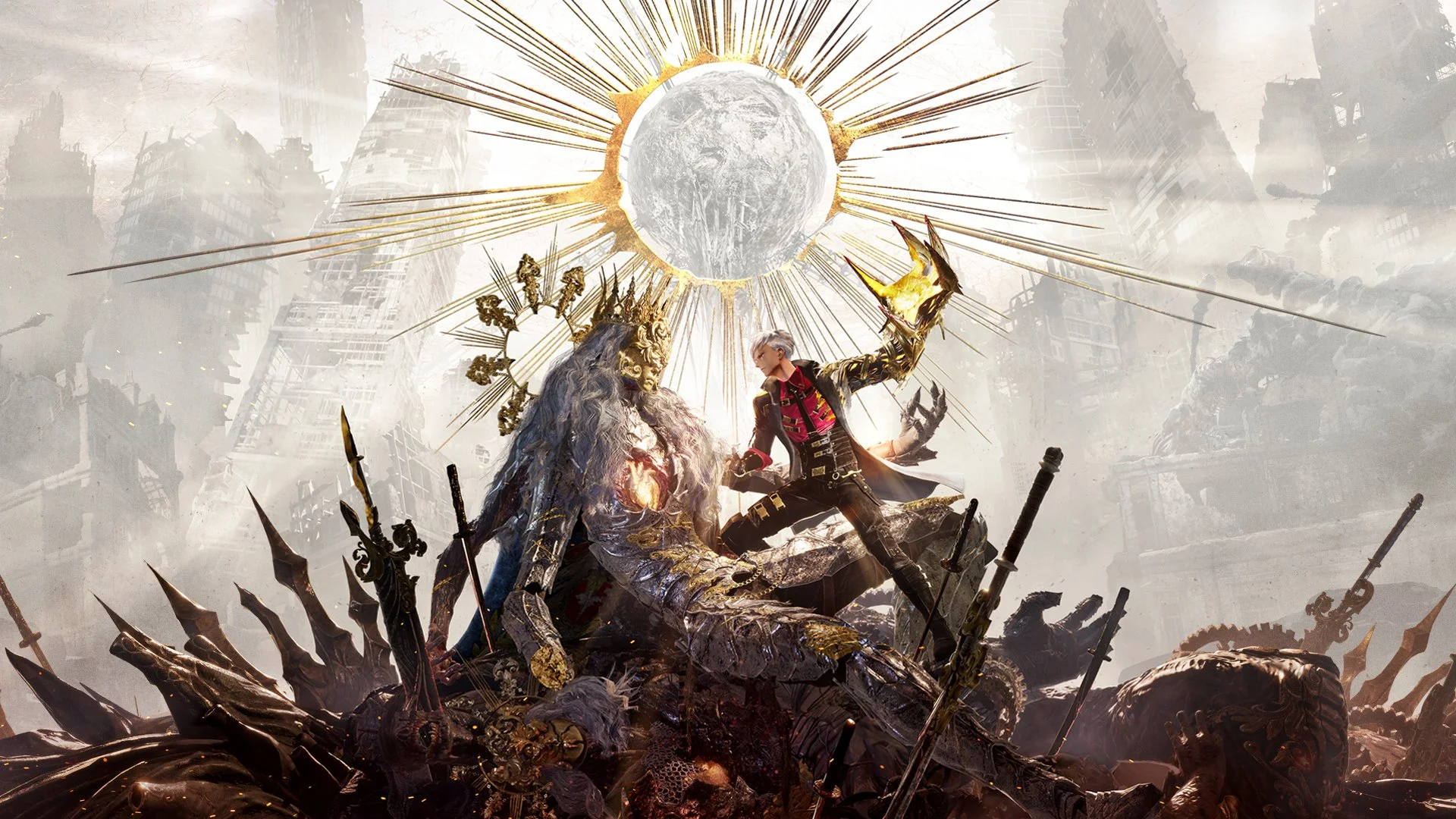
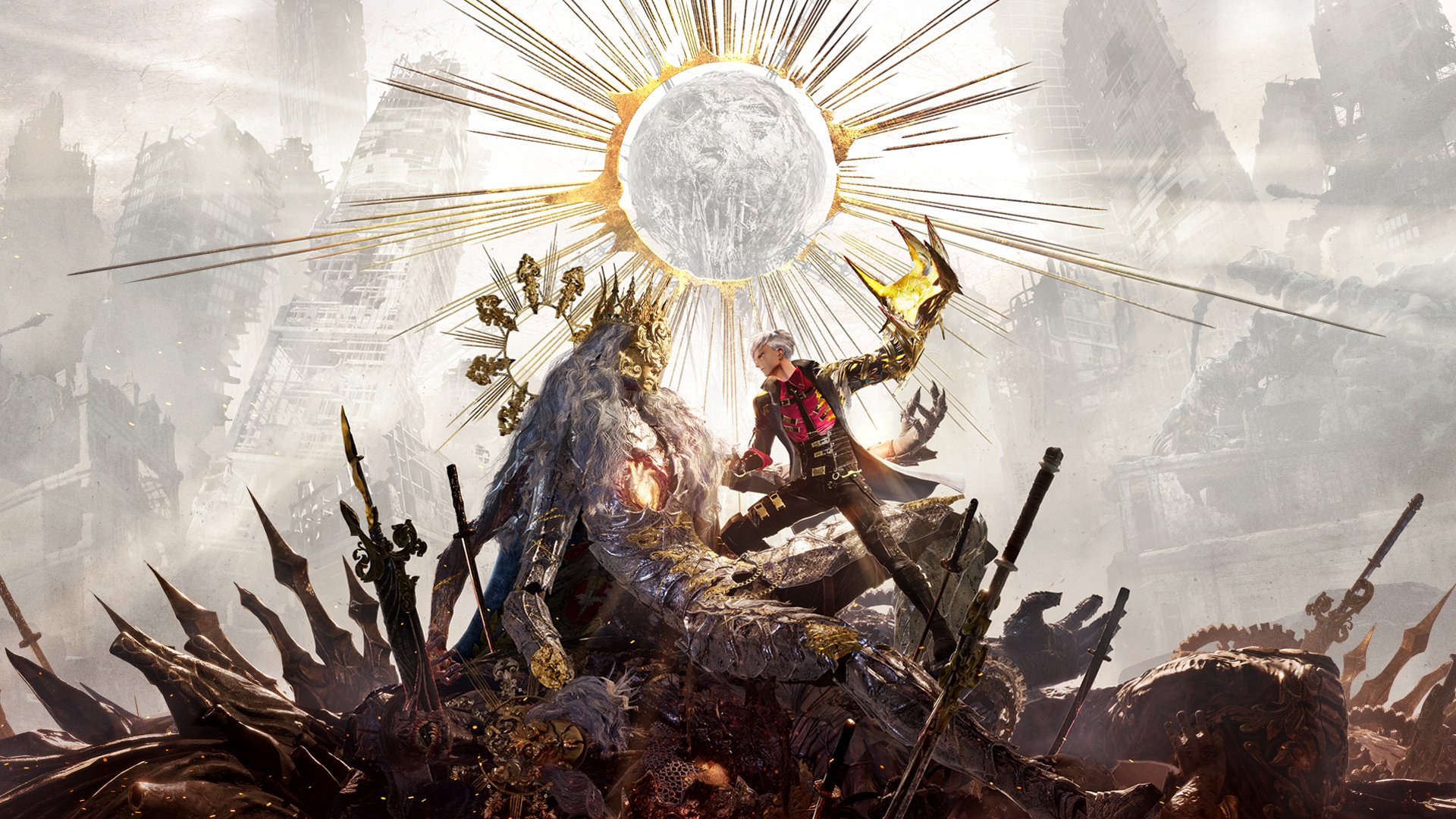
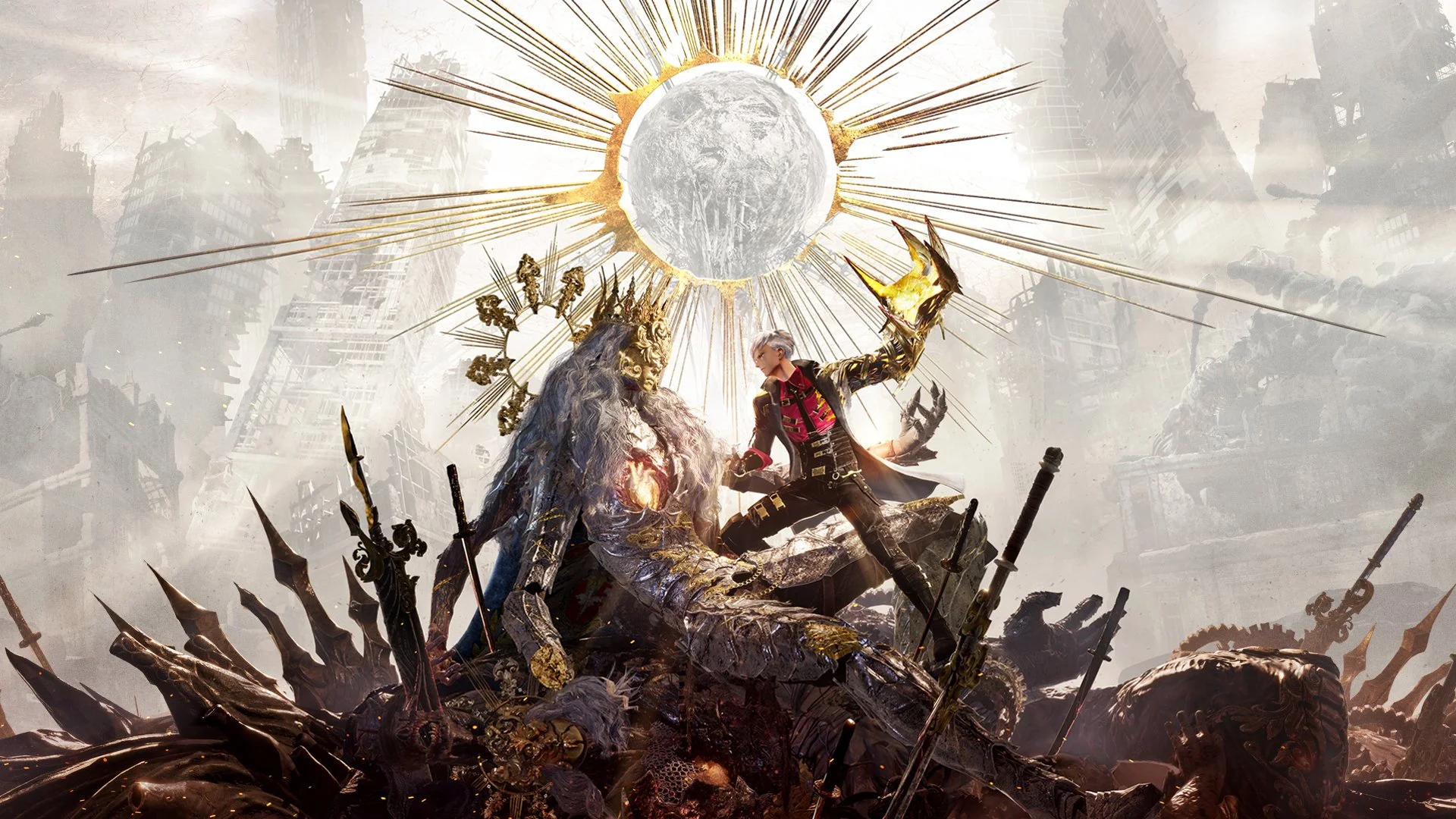
The anime stylised Soulslike Code Vein is back for a second innings. A somewhat interesting series seeks to expand upon what it started in the first game, moving toward being Anime Ring, rather than just Anime Souls. But are the Revenants worth a second look, or should they have all been hunted out of existence?
Code Vein II is an interesting return to the series. Rather than continuing to focus on a really story heavy and focused journey in the Soulslike Action RPG style, Code Vein II seeks to expand into the open world and try and be the anime version of Elden Ring. While it definitely succeeds in some areas, there are a lot of things that just don’t feel realised fully with Code Vein II, that in a sequel feel incredibly unacceptable oversights, but first. Let’s look at what it does well.
Code Vein II’s story was one that took me a little bit to come around to. It, as is the case with many anime influenced games, bombards you with information and colloquial language unique to the game world. The first chunk of the game as a result felt a little overwhelming. While it didn’t seem entirely necessary to have played the first game, there was a lot of stuff that felt vaguely familiar, but wasn’t expanded upon in Code Vein II, because of a developer belief of the player already knowing a lot of the backstory. Which if it hadn’t been nearly seven years since the release of the first game would probably be more understandable.
That said, once you really start getting into the Time Travelling and Causality altering events of the game, jumping back and forth to explore the two time periods of the world, and in turn being able to access different areas in different time zones things really start to come together. The story leans into what it is trying to tell of its own unique narrative, rather one that seems to be saddled with a story that I had only the vaguest recollection of. While it’s not a ground-breaking story, it is a unique take on the Time Travel trope and does it in a way that acknowledges the fallacies that come with the intrinsic paradoxes that occur. In the simplest terms it uses just enough in universe justification and Sci-Fi jargon to seem above board.
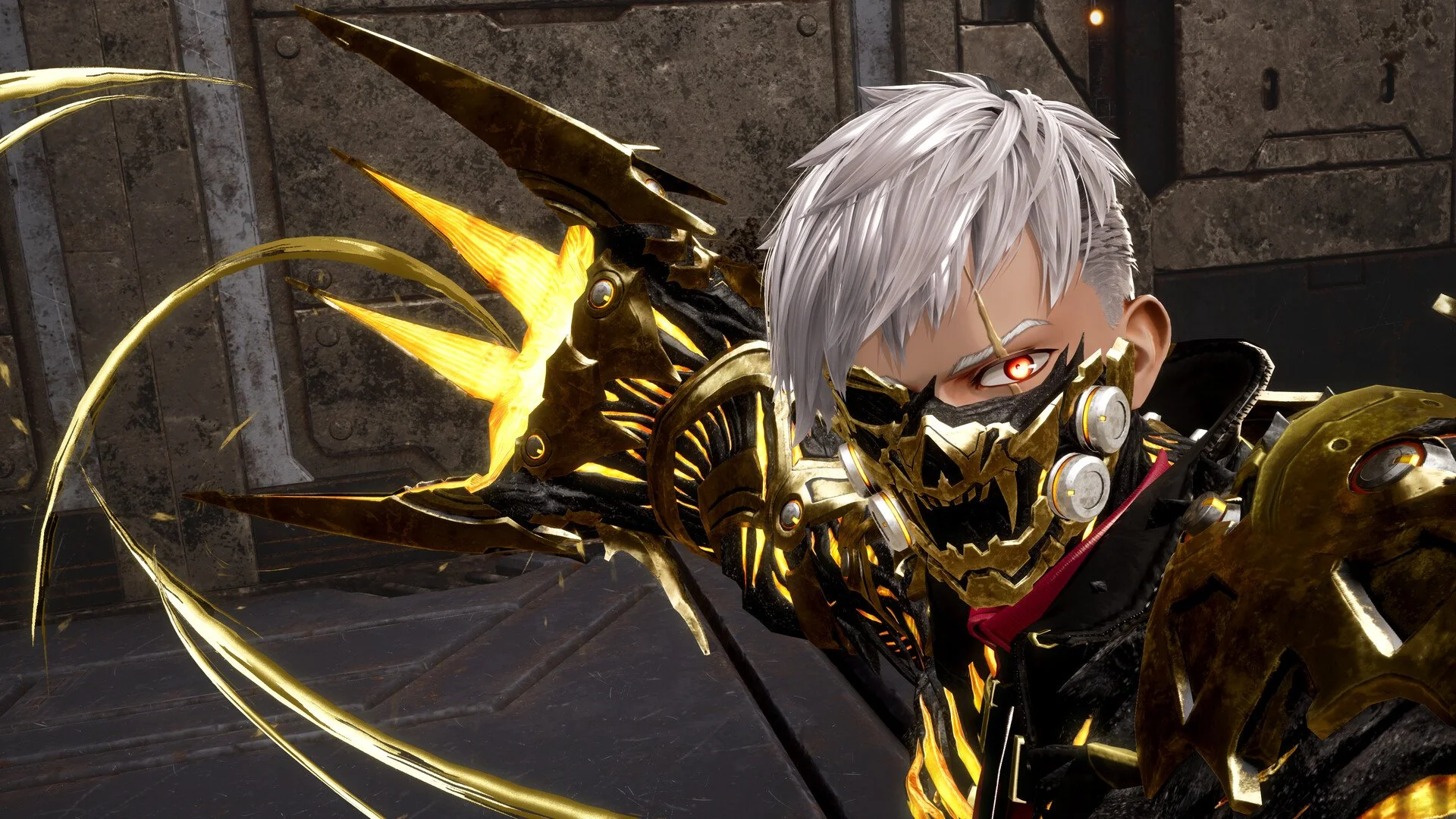
The character customisation is actually done really well in Code Vein II. I had a good time with the customisation in the first game, but with Code Vein II I felt like I had just enough control to make the character exactly what I wanted. So knowing that I was going to be playing as Revenant Hunter, which is essentially a Vampire hunter, I slapped a had on my long dark-haired man and made a near doppelganger for Vampire Hunter D without much effort. There is enough variety in the base game outfits and customisation to allow you to create the character you want to create, rather than just another generic anime protagonist who silently nods every now and then.
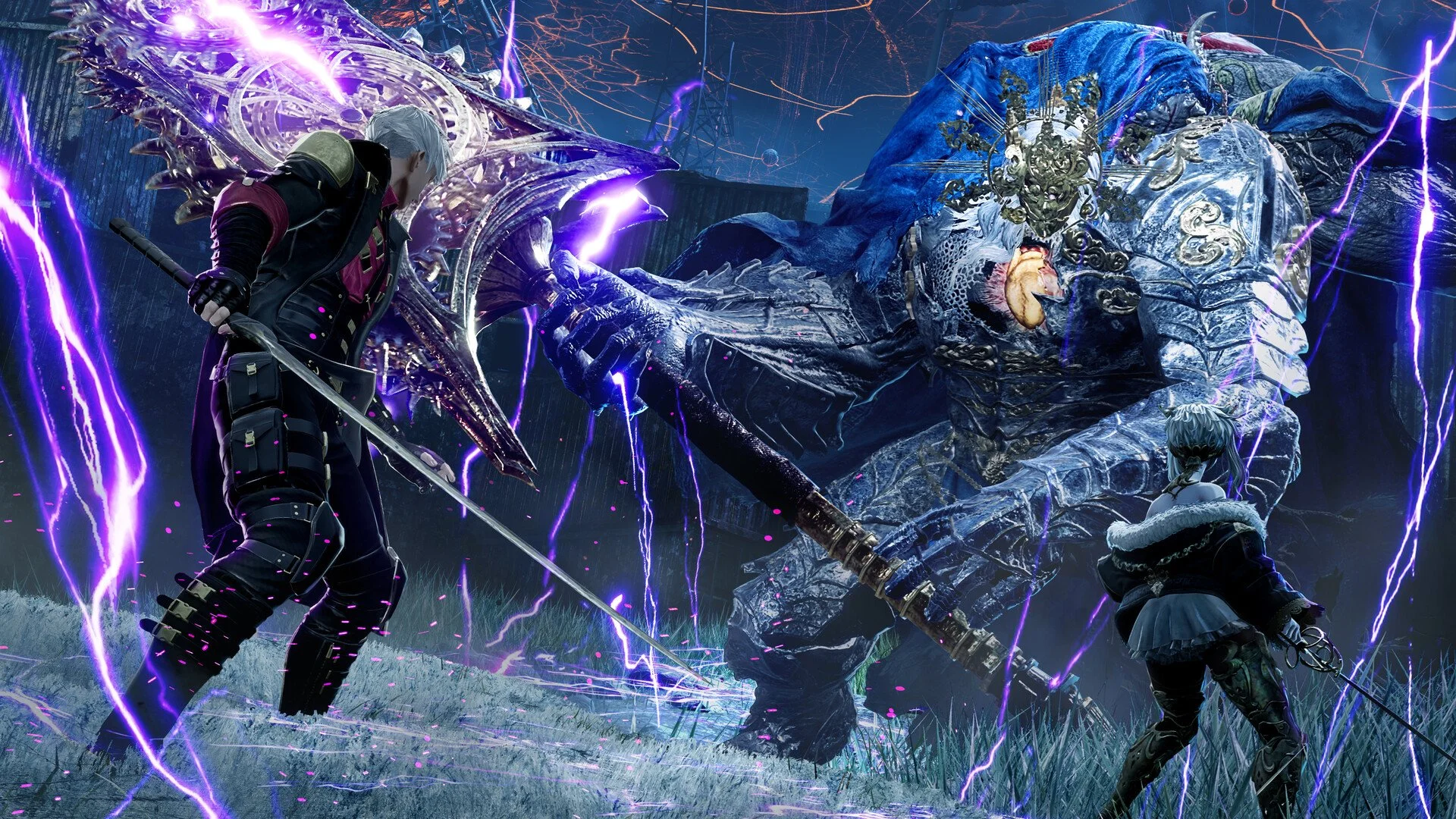
Facial expressions are also done pretty well here. Normally facial expressions tend to fall by the wayside when you allow your players to have a lot of control over the details of the face. This is incredibly important though with the main character being mute for 99.99% of the game. They have a decent amount of emotion expressed through their expressions which makes up for the choice to have the character be mute for most of the game. Except for two lines in the final hour of the game, which really makes you wonder why the character wasn’t allowed to talk earlier during the game.
Unfortunately, for the few good parts of Code Vein II, there is a lot that is left to be desired and makes for what could be a really good game, into a pretty middling one. The silence of the character is a baffling trope that seems to continue into 2026. Pokémon was still having completely unvoiced games towards the end of last year, and there is this asinine belief in choice based JRPGs and anime influenced ones, that the main protagonist should be as silent as the night. Which is fine if it is done right, which it very rarely is. Especially when you do opt to give that character voice lines towards the very end of the game, showing that there was absolutely no reason for them to not be verbally interacting with other characters throughout the game.
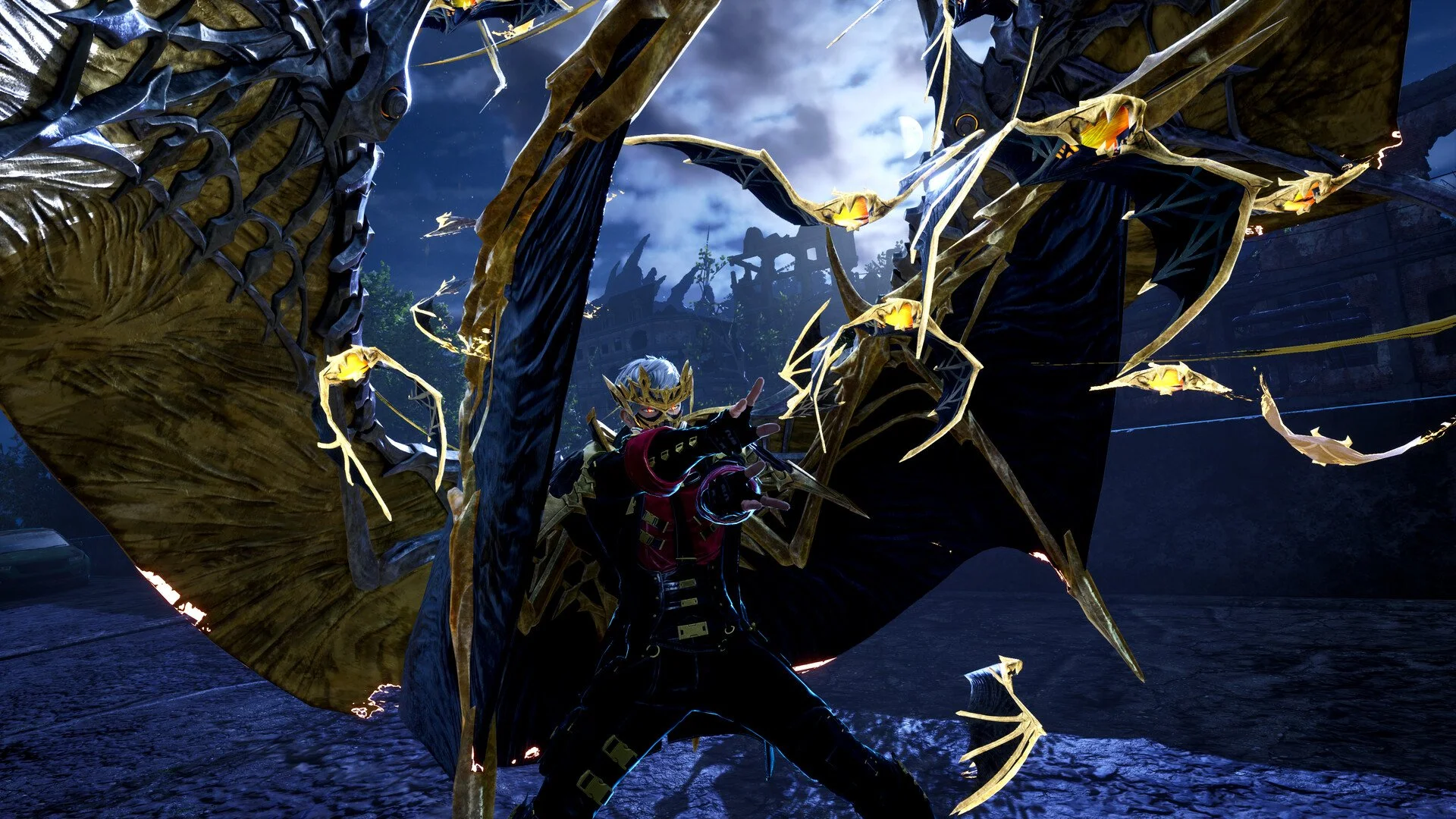
This is compounded by having an absolutely bafflingly boring cast of partner characters. As is a problem in the first game, you’ll spend so little time with each of your partners, or so much with just one, that is becomes glaringly obvious how vapidly two dimensional everyone is. Josee is interesting for all of but three cutscenes before her entire character story is unravelled and she loses all spark of what made her interesting. Noah is important but only if you decide to change the past, but MAJOR SPOILERS HERE, considering he is an integral part of unlocking the final hero’s seal, you could actively have not had him be present throughout the bulk of the game and then be forced to need him, despite the implications of what changing the past means.
The only partner character that I found to be of any level of actually interesting is Zenon Gryfgote and that is predominantly down to the fact that he is the most eccentric over the top and flamboyant of all the characters, who actually feels like they were designed with some soul and personality to them. Other than almost every other character feels just as lifeless as your own player character can be at times and leaves you in desperate need for something mildly resembling an actual personality to come out of anyone. Which Zenon thankfully provides but left me just as baffled as to why the hell this level of interest wasn’t present in all the other main side characters.
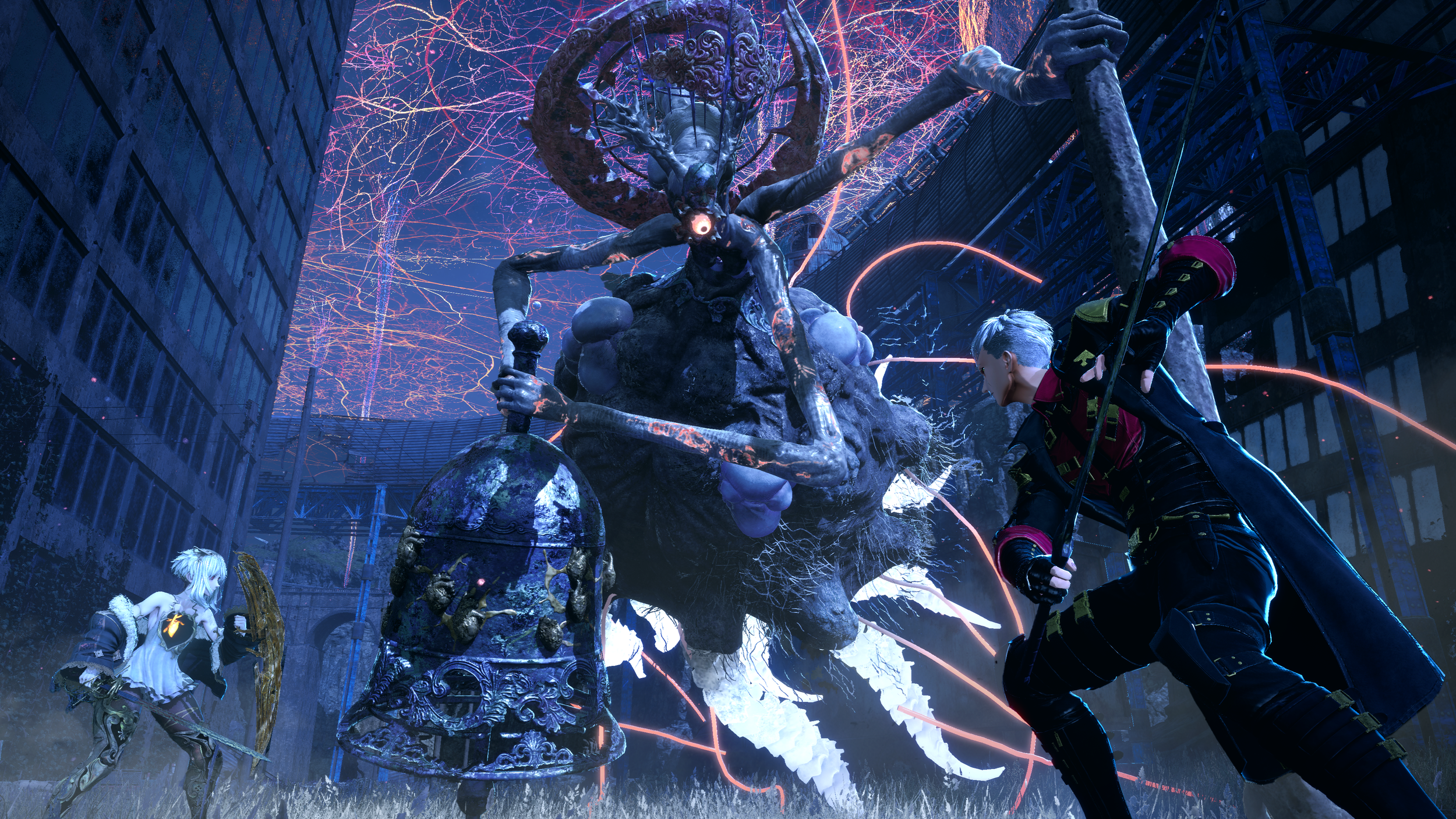
On top of having a horrifically boring cast of side characters, a game with a rather small overall amount of dungeons and bosses to explore, manages to have you re-fight the exact same type of boss three to four times across the entirety of the game, some being little more than a souped up version of an overworld enemy you’ve been fighting for the last thirty odd hours of the game. This is infuriating to experience as the Hero boss fights, are unique, different and fun and show that with just the littlest bit of care an interesting boss design and fight was possible. Instead of doing a side quest that involves you fighting the exact same boss four times in a row, which is nothing more than a souped-up version of an overworld enemy you fought countless of less than a few hours earlier.
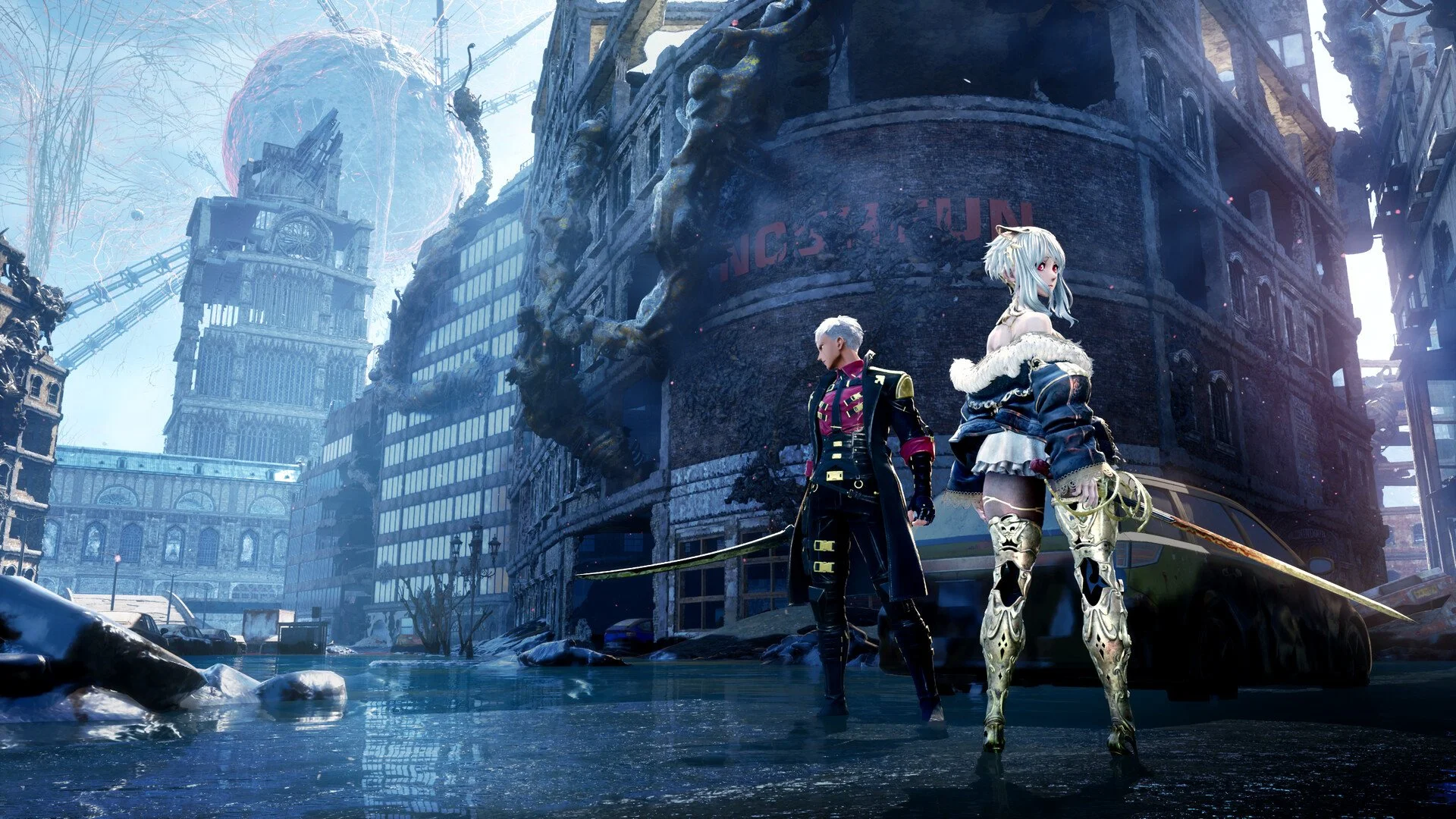
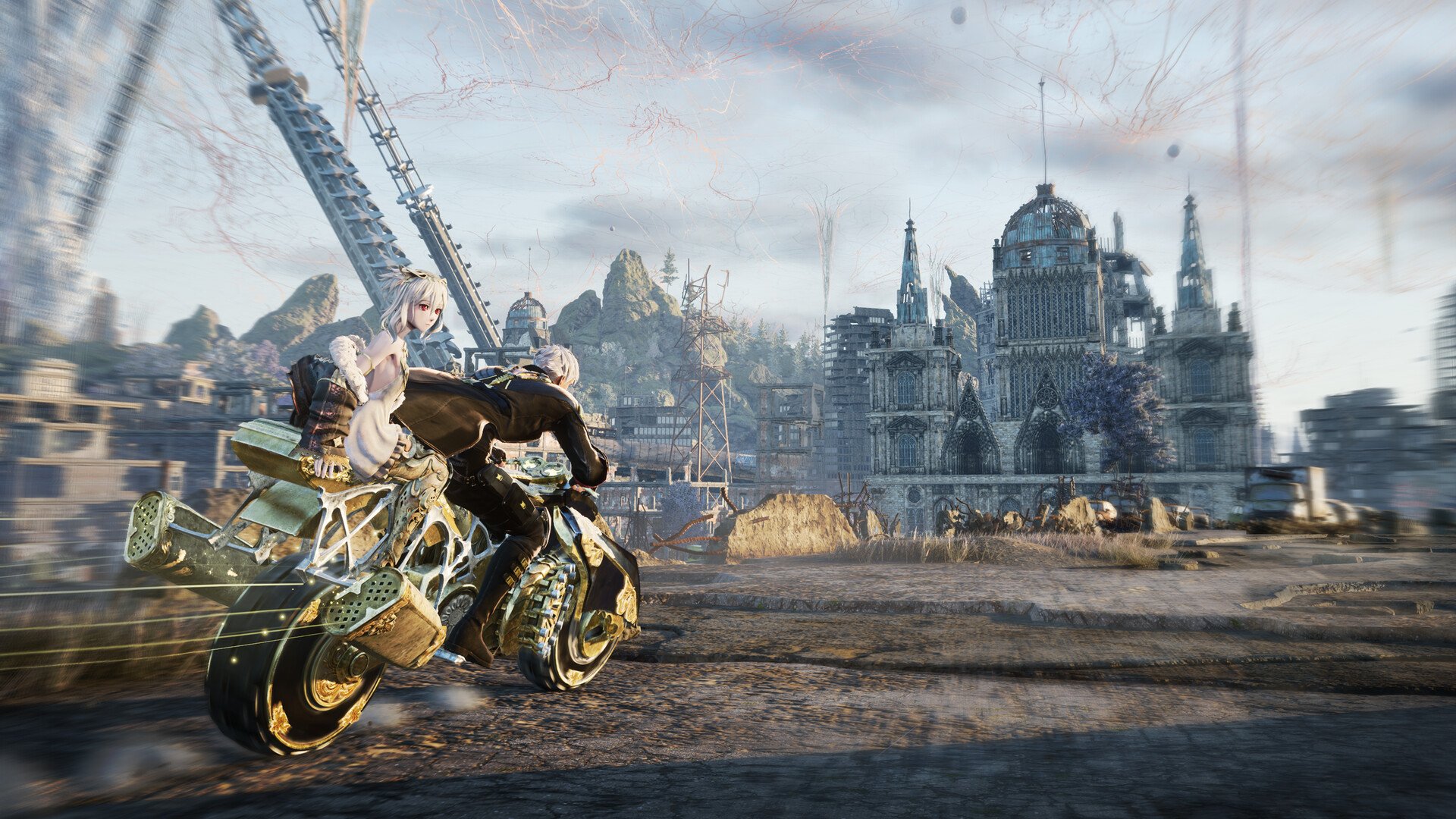
The first game at least tried to make the boring post-apocalyptic city hellscape of an environment somewhat interesting to explore. Code Vein II gives you an open world of grey, greyer, some lighter shades of grey, and at times, dark grey to explore. The three major areas are at least distinct enough from each other on the surface. But slapping a grass and forest decal on the environment rather than the crumbling ruins of a city, or the dirty dusty bowl of an abandoned mining area doesn’t change the fact that you’re still looking at an incredibly boring world. The dungeons are almost cut and copies of each other, and paired with the copy paste bosses in them, I struggle to believe that Code Vein II is really seen as a step up from the first game.
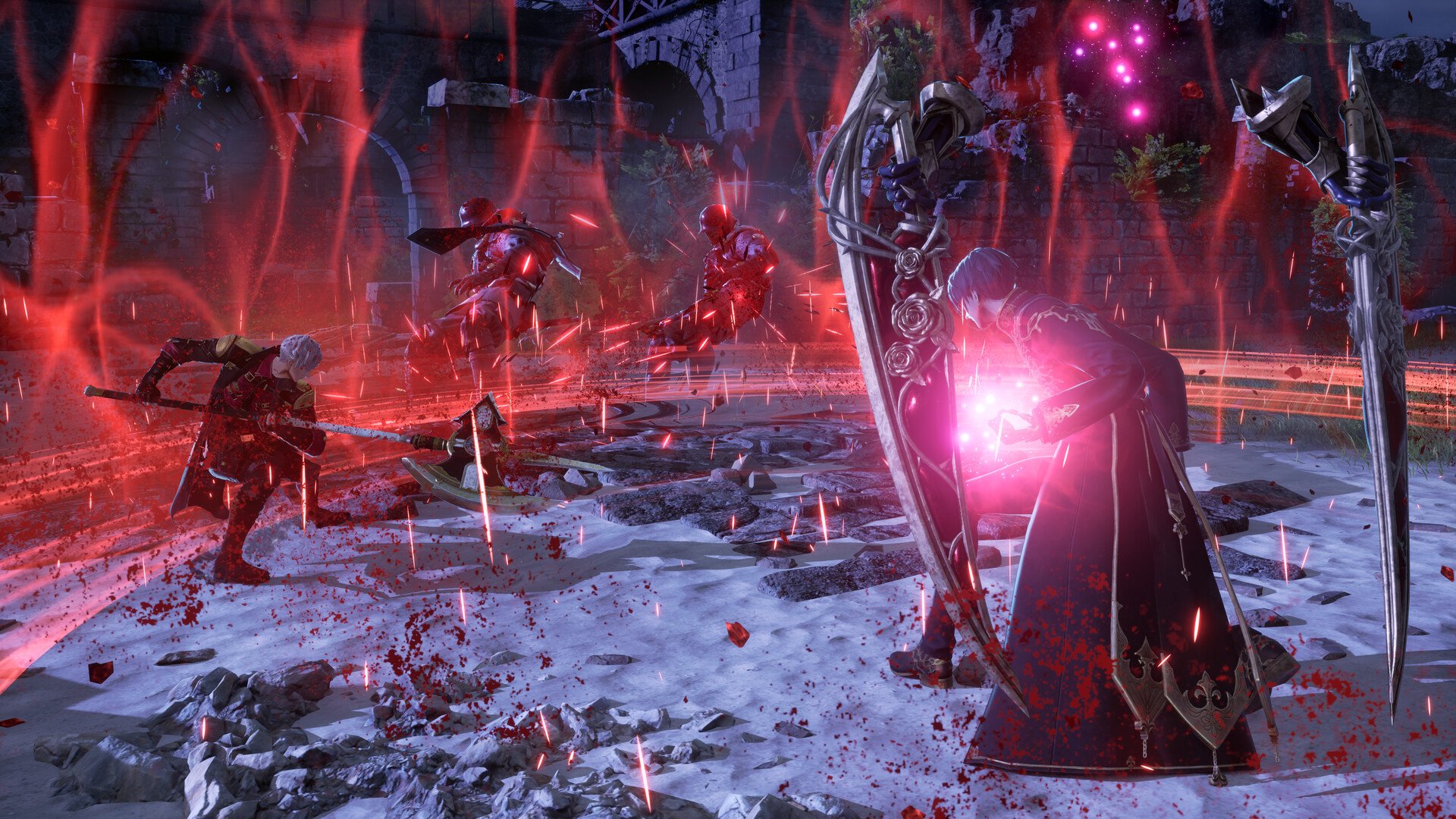
This doesn’t even account for how clunky the combat feels at the best of times, and how absolutely mind numbing in-precise it feels at the worst. I picked up a weapon in the first few hours of gameplay and literally never found myself wanting to change to another weapon after that. In typical fashion I found a heavy two-handed sword and spent my whole game based around that, and every time I tried to use a different weapon class I felt like I was being punished for it. Couple this with a roll that feels slow at the best of times, a combat system that encourages you to use your resource-based abilities, but don’t actively do enough to help you in the immediate, and you’ve got the bones of the attempt of making a decent action RPG, without any of the actual interest of it. This is crazy considering the combat in the first game, while still somewhat clunky, was one of the better parts. Code Vein II feels like it has almost taken a step back in this regard.
There is many other things that I could harp on about and how they just aren’t done well enough. The motorbike that is essentially your horse, but controls like buttery feet on an oil slicked ice rink. The super unclear affinity levels with your partners (which in turn has made me stuck at one trophy from the platinum because it is so unclear on how to achieve max affinity). A NG+ cycle which you may not realise exists because pressing continue on the main menu after beating the final ending section, will take you back to this section, rather than to the main game where you can move into NG+. A NG+ that you would only really have to go to if you wanted to experience the same game over again, just a little bit harder. Which begs the question as to why?
Code Vein II is definitely the Anime Ring of games following up the Anime Souls that was the first game. However, while it seems to understand the fundamentals of systems that worked for Elden Ring, it has done nothing to actually improve upon itself to be better than the first game. I would be hard pressed to say this was anymore enjoyable than the original game was, and at worst I’d say they’ve actually managed to go backwards in the few areas that had some success in previously. The story is interesting enough, and thankfully the character customisation is competent enough that you can at least make a character you enjoy looking at. The entirety of the game is maybe forty to fifty hours depending on how much of it you want to beat, but offering absolutely no incentive to want to go to NG+ or come back for a second swing at things. A generally boring cast of characters, in addition to a clunky feeling game with a world that is ugly, boring and just not fun to explore, it makes it really hard to find things to push for the game.
Code Vein II is not necessarily a bad game, but they have done absolutely nothing to take the requisite steps forward and improving from the first game to justify this one. I had moments of fun, but these moments served only to show me one thing. The potential that has absolutely not be capitalised upon. Code Vein II is fine, but one of the worst things a sequel can be, is being fine.
The Score
6.5
Review code provided by Bandai Namco
The Pros
Good character creation and customisation
Interesting enough story that makes you want to see how it ends
Zenon Gryfgote
The Cons
Combat is clunky and slow
An absurd amount of reskin or copy paste boss fights
Ugly and uninteresting open world, filled with bland enemies and very little of interest
The motorbike is awful